Skip to content
Introduction: The Logistics of Vertical Architecture
Executing a skyscraper project requires absolute precision, and specifying commercial cement board panels is a foundational strategy for modern structural engineering. The logistics of vertical architecture present challenges that simply do not exist in low-rise commercial or residential development. When constructing a 50-story tower, every single pound of material added to the upper floors exponentially increases the structural load on the foundation below. Consequently, architects and structural engineers wage a constant battle against ‘dead load’—the static weight of the building materials themselves.
Historically, developers utilized heavy precast concrete, masonry blocks, and wet-plaster systems for interior partitions and exterior sheathing. However, these traditional methods are massively heavy, labor-intensive, and logistically paralyzing on a constrained urban job site. Furthermore, hoisting wet, heavy materials hundreds of feet into the air requires immense crane time, which severely bottlenecks the entire construction schedule.
Therefore, the global construction industry has decisively pivoted toward advanced dry-construction methodologies. By utilizing lightweight, ultra-strong high-rise building materials, developers drastically reduce foundation costs, accelerate project timelines, and strictly adhere to international fire safety codes. In this comprehensive B2B guide, we will analyze the unique mechanical demands of skyscraper construction, explore why top-tier developers mandate these specific panels, and review the supply chain logistics required to service mega-projects seamlessly.
The Unique Demands of High-Rise Architecture
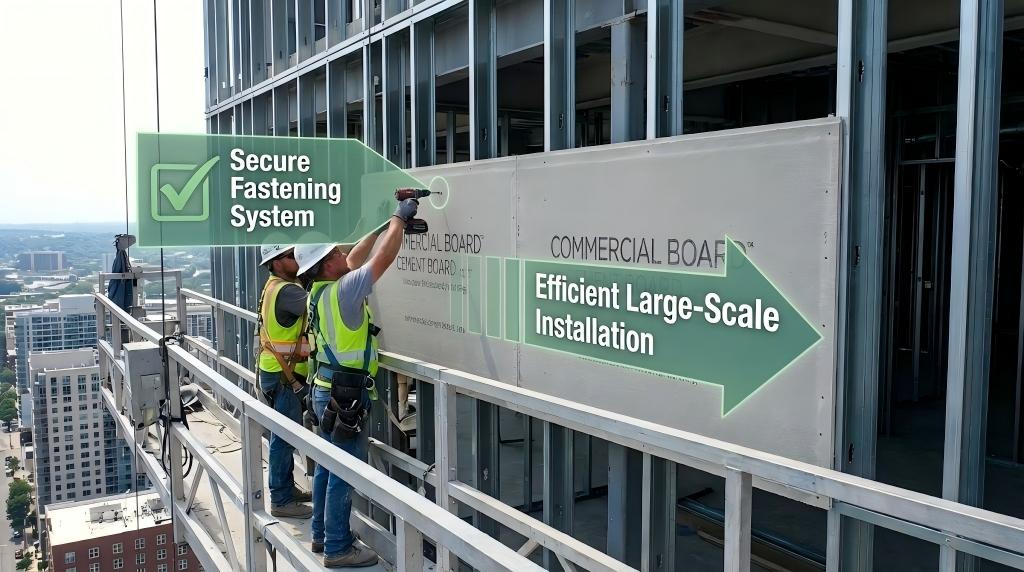
Designing a building that scrapes the sky requires engineers to calculate extreme environmental forces. The materials forming the building envelope and internal partitions must perform flawlessly under continuous, dynamic stress.
Managing Extreme Wind Loads and Deflection
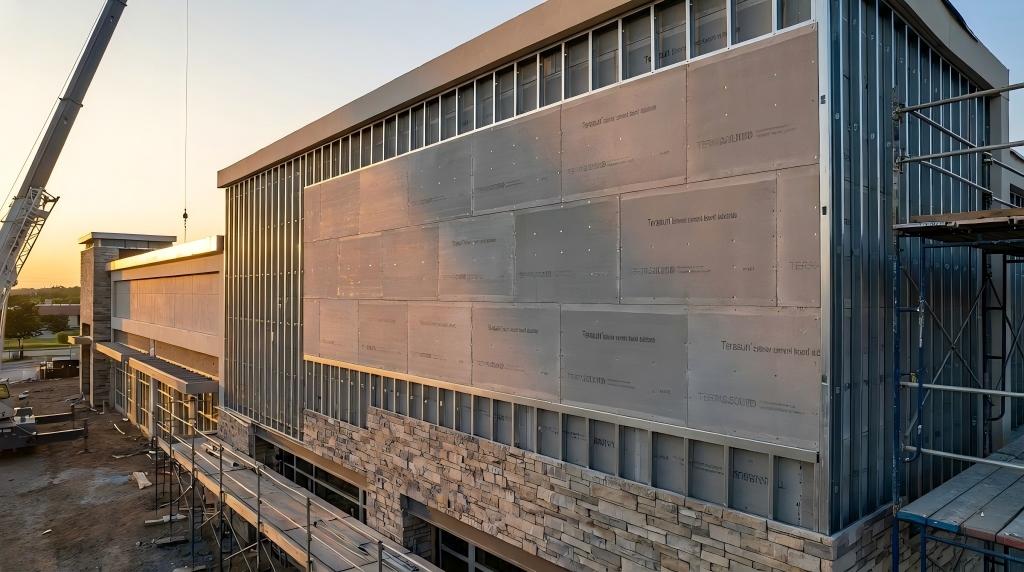
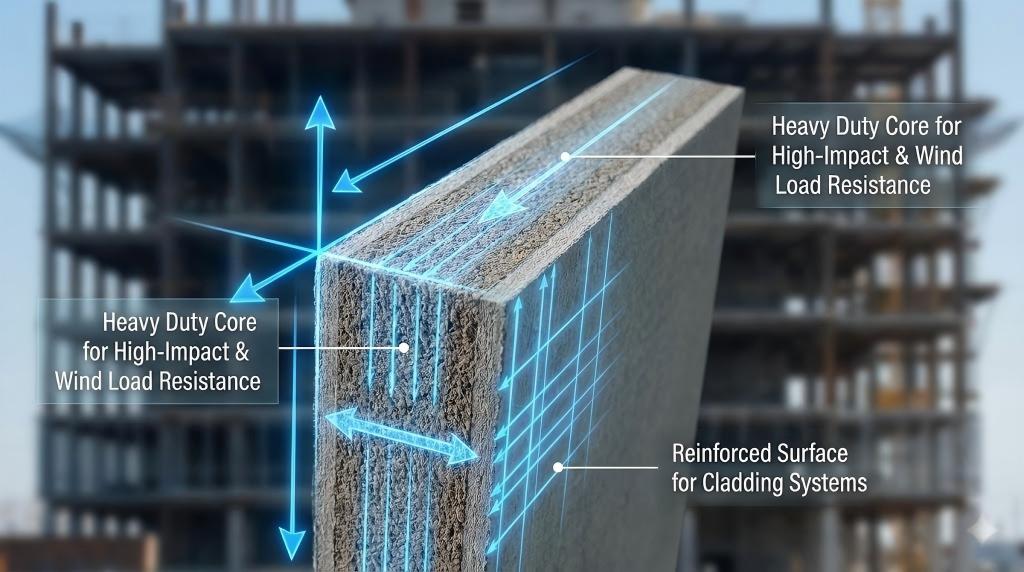
As a building increases in height, wind velocity and the resulting lateral forces increase exponentially. High-rise facades experience severe positive wind pressure on the windward side and intense negative suction (vortex shedding) on the leeward side. A standard sheathing material will bow, flex, and eventually tear away from the steel studs under these alternating pressures. Conversely, a heavy duty cement board possesses the exceptional flexural and shear strength required to resist these forces. It provides a highly rigid substrate that meets strict L/360 or L/720 deflection criteria, thereby protecting the brittle exterior glass, stone, or metal claddings attached to it.
Addressing Inter-Story Drift and Seismic Movement
Skyscrapers are not rigid monoliths; they are designed to sway. During high winds or seismic events, the building experiences ‘inter-story drift’—the horizontal displacement of one floor relative to the floor below it. If the partition walls are constructed from rigid, heavy masonry, this drift will crush the blocks and cause catastrophic interior collapse. Engineered cement boards, installed over light-gauge steel framing with slip-track deflection channels, effortlessly absorb this movement. The panels maintain their structural integrity without cracking, ensuring the safety of the occupants and minimizing post-event repair costs.
Dead Weight Reduction Economics
The financial impact of weight reduction is staggering. By replacing 6-inch concrete masonry units (CMU) with 1/2-inch cement board partitions throughout a 60-story tower, engineers eliminate thousands of tons of dead load. Consequently, the structural engineers can significantly downsize the primary steel framing columns and reduce the volume of concrete poured into the subterranean foundation. Ultimately, specifying lightweight panels yields millions of dollars in structural savings before the building even leaves the ground.
Why Developers Choose Commercial Cement Board Panels
Beyond pure physics, commercial developers prioritize return on investment (ROI). Time is the most expensive commodity on a mega-project. Advanced cementitious panels optimize the construction schedule dramatically.
The Speed of Dry Construction
Traditional wet construction (pouring concrete or laying block and mortar) requires extensive curing time. Workers cannot proceed to the next phase until the materials dry, which halts the critical path of the project. Furthermore, wet trades introduce massive amounts of moisture into the building, delaying interior finishing. industrial construction panels facilitate a 100% dry construction cycle. Installers rapidly screw the panels to the steel framing, tape the seams, and immediately hand the floor over to the painters and electricians. This speed slashes months off the overarching construction timeline.
Stringent International Fire Life Safety
In a high-rise structure, rapid evacuation is physically impossible. Therefore, the building must compartmentalize the fire using passive protection. High-quality cement boards carry the elite A1 non-combustible rating (EN 13501-1). They serve as impenetrable fire barriers in elevator shafts, stairwells, and inter-tenancy party walls. Because they generate absolutely zero toxic smoke and do not contribute thermal energy to the blaze, they are universally mandated by municipal building inspectors across the globe.
Landmark Case Studies & Global Data Integration
Theoretical engineering must translate into proven real-world performance. Terasun has partnered with leading international developers to supply critical materials for some of the most demanding infrastructure projects worldwide.
| Project Name / Location | Primary Application | Specific Board Utilized | Key Engineering Challenge Solved |
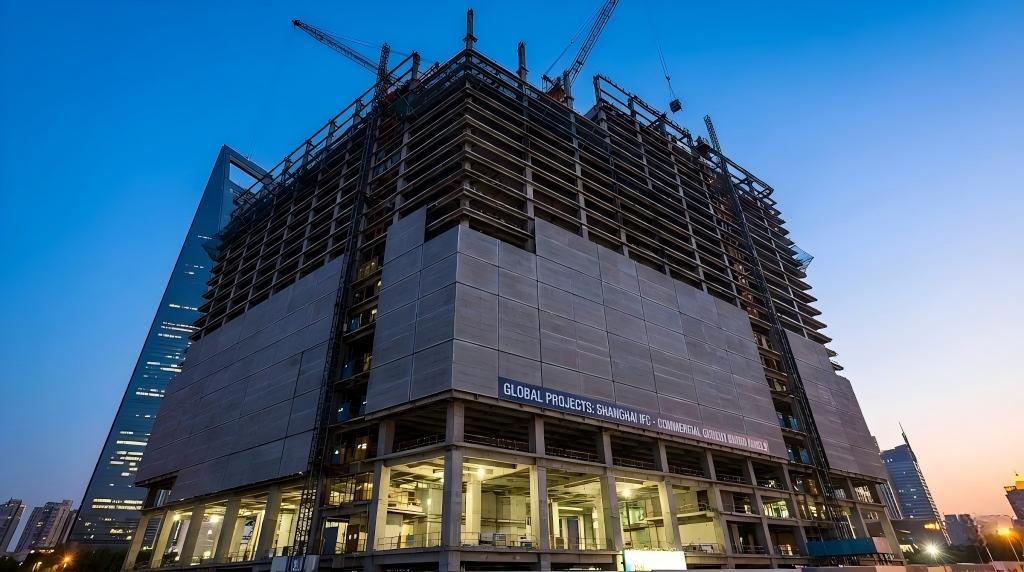
| Shanghai IFC (China) | High-Rise Commercial Interior Partitions | 12mm TSM Cement Board | Required ultra-lightweight, A1 fire-rated partitions to reduce foundation load. |
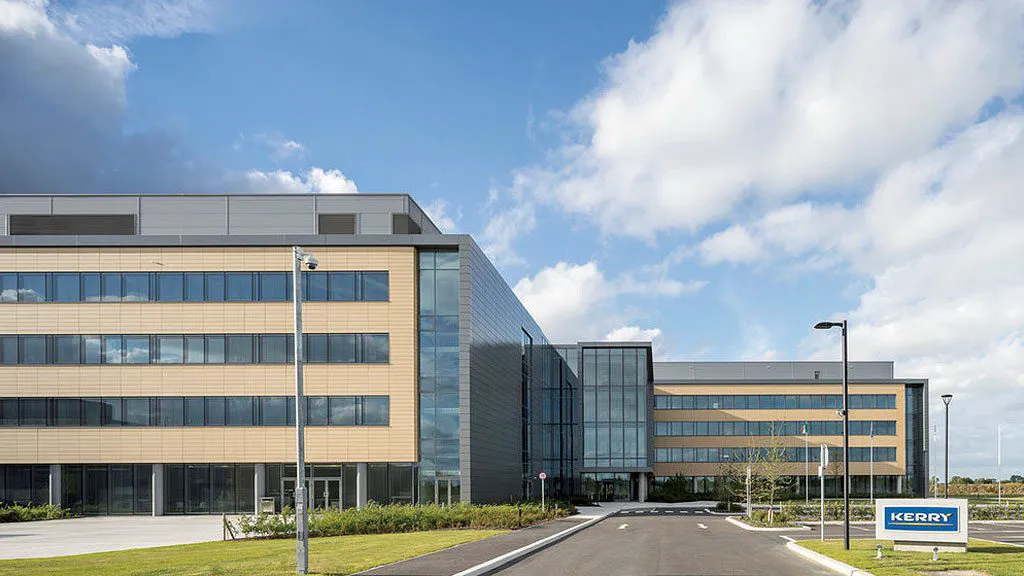
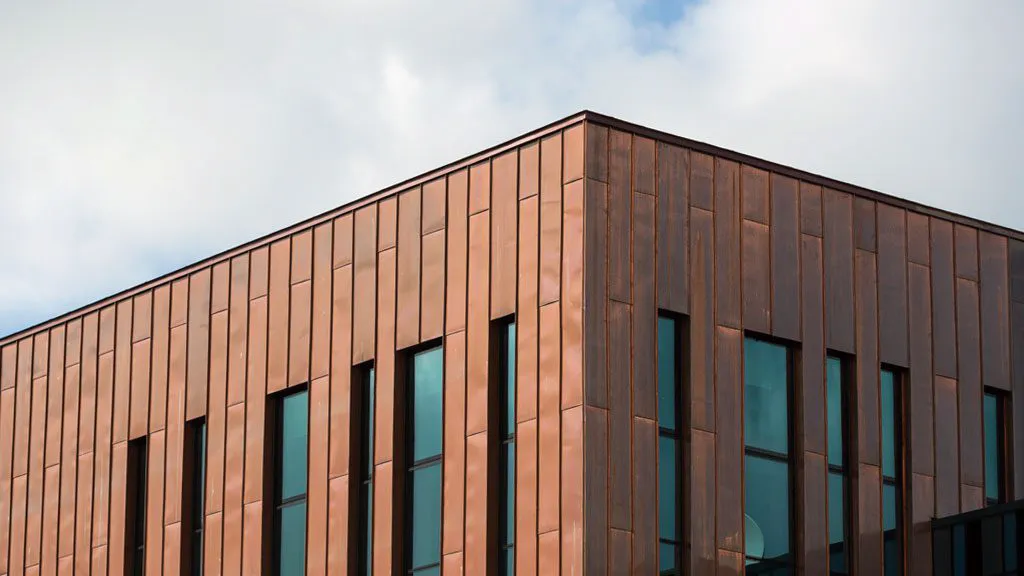
| Kerry Infrastructure (Ireland) | Exterior Facade Substrate | 15mm High-Density TSM Board | Required extreme resistance to coastal moisture and high wind deflection. |
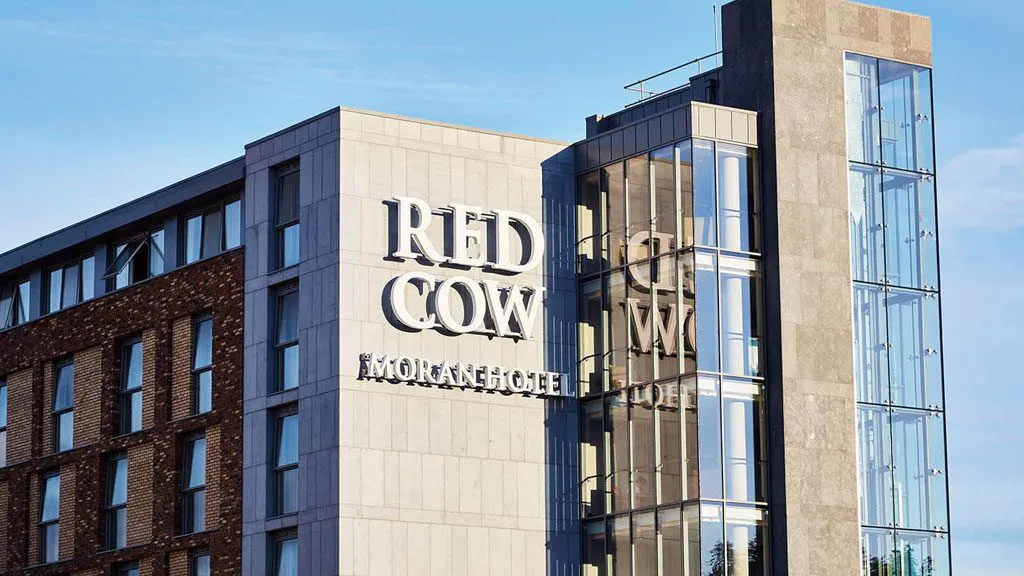
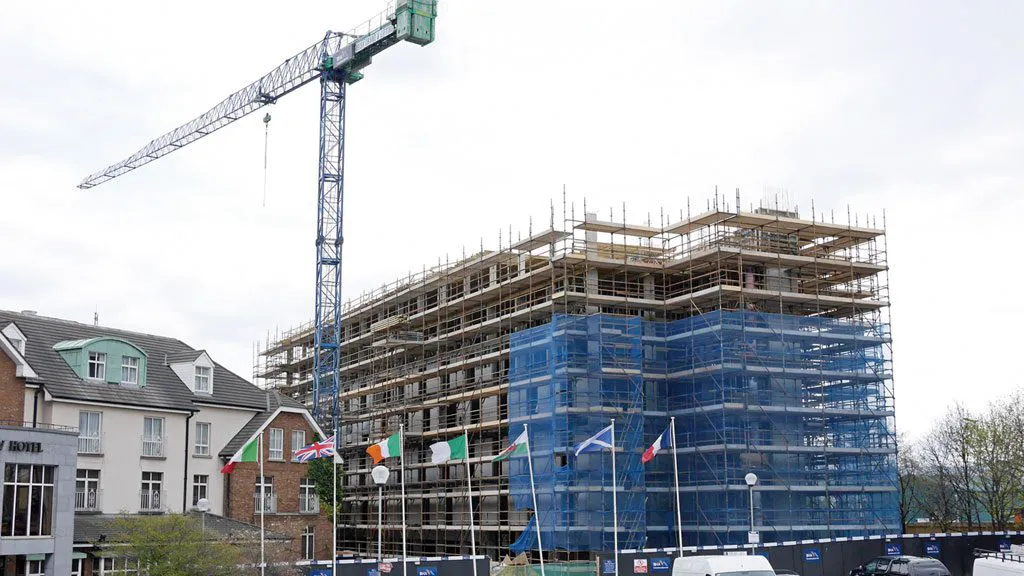
| Red Cow Moran Hotel (Ireland) | Wet Area & Bathroom Backing | 9mm TSM Moisture Board | Demanded 100% mold-proof substrates for continuous commercial hospitality usage. |
| Residential Communities (Sweden) | Thermal & Fire Barrier Walls | 12mm TSM Cement Board | Needed superior freeze-thaw durability and compliance with strict Scandinavian fire codes. |
As these TSM global projects illustrate, standardizing the procurement of advanced cement panels resolves complex architectural bottlenecks simultaneously across diverse global climates.
Logistics, Lead Times, and Supply Chain Reliability
Procurement managers understand that the best material in the world is useless if it does not arrive on site exactly when needed. Supplying a skyscraper requires industrial-scale manufacturing and flawless logistical execution.
Mastering Just-in-Time (JIT) Urban Delivery
Urban mega-projects located in city centers possess virtually zero staging ground. Contractors cannot store massive pallets of material on the sidewalk. Therefore, deliveries must be executed utilizing a Just-in-Time (JIT) methodology. The manufacturer must produce, package, and ship the exact quantity of boards required for specific floors precisely as the crane time becomes available. Terasun leverages a robust global logistics network to orchestrate these complex, time-sensitive deliveries seamlessly.
30 Years of Manufacturing Capacity
A skyscraper requires hundreds of thousands of square meters of board. Small-scale manufacturers frequently fail to meet these production quotas, causing catastrophic delays. With over 30 years of manufacturing expertise and a massive 0K+ Sqm factory infrastructure, Terasun operates continuous, automated production lines. Consequently, we reliably fulfill massive B2B building supplies orders without sacrificing our strict ISO 9001 quality control protocols.
FAQ: 6 Questions from Procurement Managers
1. What is your actual production capacity for massive commercial orders?
Terasun operates multiple high-capacity, automated production lines. We possess the industrial infrastructure to output thousands of square meters daily. For mega-projects requiring continuous monthly shipments over a multi-year construction schedule, we establish dedicated production quotas to guarantee your supply chain never breaks.
2. Do the panels come with internationally recognized certifications (CE, ASTM)?
Yes. We understand that commercial architects require absolute compliance. Our TSM Cement Boards are rigorously tested and certified to meet global standards, including the European CE mark, strict ASTM standards for the Americas, and CNS certifications, ensuring immediate approval from your local building authorities.
3. Can you provide custom cut sizes for specific architectural needs?
Absolutely. To accelerate your on-site installation and drastically reduce labor costs, we offer factory-direct CNC cutting and routing services. We can deliver panels pre-cut to your architect’s exact modular specifications, significantly reducing hazardous silica dust generation on your enclosed job site.
4. How are the panels packaged for safe international shipping?
We utilize heavy-duty, ISPM-15 compliant export pallets. Furthermore, we install robust edge protectors, wrap the pallets entirely in waterproof stretch film, and secure them with high-tensile steel or PET strapping. This rigorous packaging ensures the boards survive long-distance ocean freight and rough port handling without arriving chipped or fractured.
5. Do you offer on-site technical support and installation guidance?
Yes. We view ourselves as partners, not just vendors. For major commercial projects, our engineering team provides comprehensive installation manuals, reviews shop drawings, and can deploy technical experts to the job site to train your subcontractors on optimal fastening and joint-treatment methodologies.
6. What is the specific warranty period for commercial applications?
We stand firmly behind our material science. Terasun provides a highly competitive 30-year limited warranty for interior commercial applications, and a 15-year limited warranty for exterior facade applications, ensuring profound long-term security for the property developers and asset managers.
Conclusion: Partner With a Global Leader
Constructing a high-rise building is a monumental undertaking that requires absolute trust in the supply chain. By rejecting outdated, heavy wet-construction methods and embracing advanced lightweight panelization, developers secure maximum structural safety while drastically optimizing their construction schedules.
Ultimately, selecting the right commercial cement board panels dictates the financial and structural success of the tower. Do not entrust your multi-million dollar mega-project to an unproven supplier. Partner with a 30-year industry veteran. Get a Quote today to discuss your specific procurement requirements, and view our extensive portfolio of completed international projects.