Skip to content
Introduction: Engineering for Extreme Microclimates
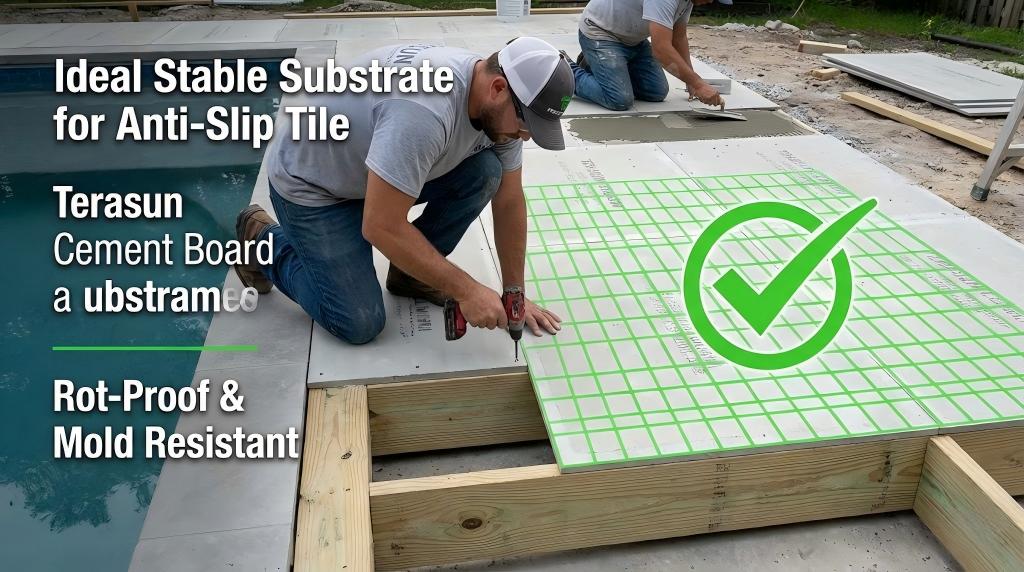
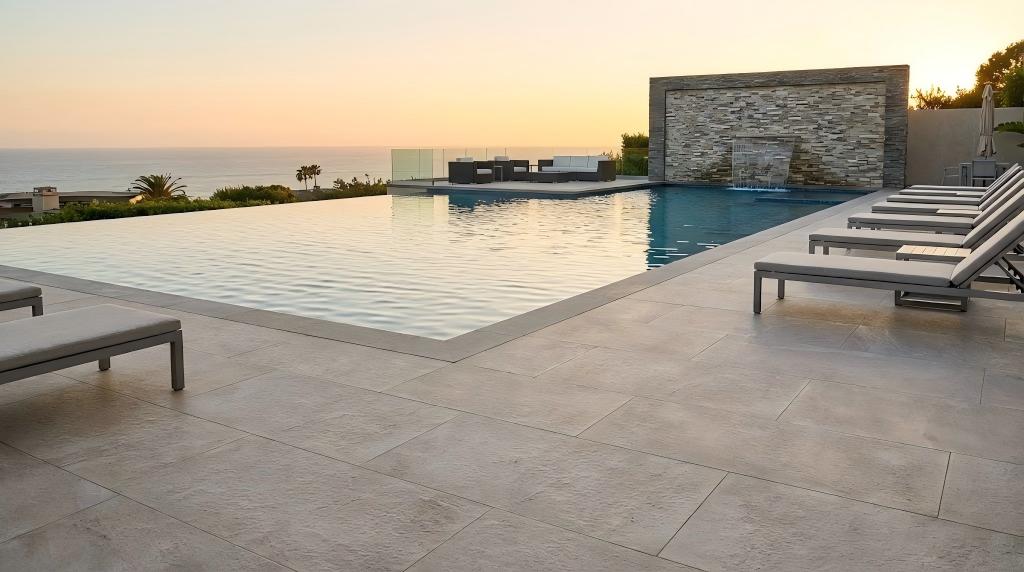
Designing a structurally sound aquatic facility requires specifying a dedicated cement board for swimming pools. Commercial and residential pool areas present one of the most hostile environments in modern architecture. Whether you are constructing an indoor natatorium or an outdoor resort deck, the materials surrounding the water endure relentless physical and chemical assaults. Consequently, standard building materials fail rapidly under these extreme conditions.
Traditional substrates, such as green moisture-resistant drywall or standard plywood, simply cannot withstand the continuous exposure to high humidity, splashing water, and corrosive pool chemicals. When architects compromise on the underlying structural envelope, the beautiful glass mosaics, anti-slip tiles, and natural stone features inevitably delaminate, crack, or harbor hazardous black mold. Therefore, establishing an infallible, inorganic substrate is the absolute foundation of wet area construction.
By implementing advanced wet area construction techniques and specifying high-performance fiber-cement panels, contractors can permanently eliminate moisture-related structural failures. In this comprehensive engineering guide, we will analyze the destructive forces of pool microclimates, detail the material science behind TSM cement boards, and provide specific installation methodologies for decks, walls, and heavy water features.
The Enemy of Pool Architecture: Moisture and Chlorine
To understand why highly specialized substrates are mandatory, we must first examine the physics and chemistry of a swimming pool environment. The degradation of pool architecture rarely happens overnight; instead, it is a slow, relentless process driven by two primary forces: vapor drive and chloride-induced corrosion.
Vapor Drive and Hydrostatic Pressure
Indoor swimming pools generate massive amounts of water vapor. Because the air inside a pool room is warmer and significantly more humid than the air outside, physics dictates that the moisture will attempt to move outward to equalize the pressure. This process is known as ‘vapor drive.’ When this vapor penetrates a porous substrate like standard drywall or wood, it condenses into bulk water inside the wall cavity. Subsequently, this trapped moisture causes organic framing to rot and drastically reduces the R-value of fiberglass insulation. A rigid, dimensionally stable substrate is required to properly anchor continuous waterproofing membranes that halt this vapor drive.
Chlorine Off-Gassing and Chemical Attack
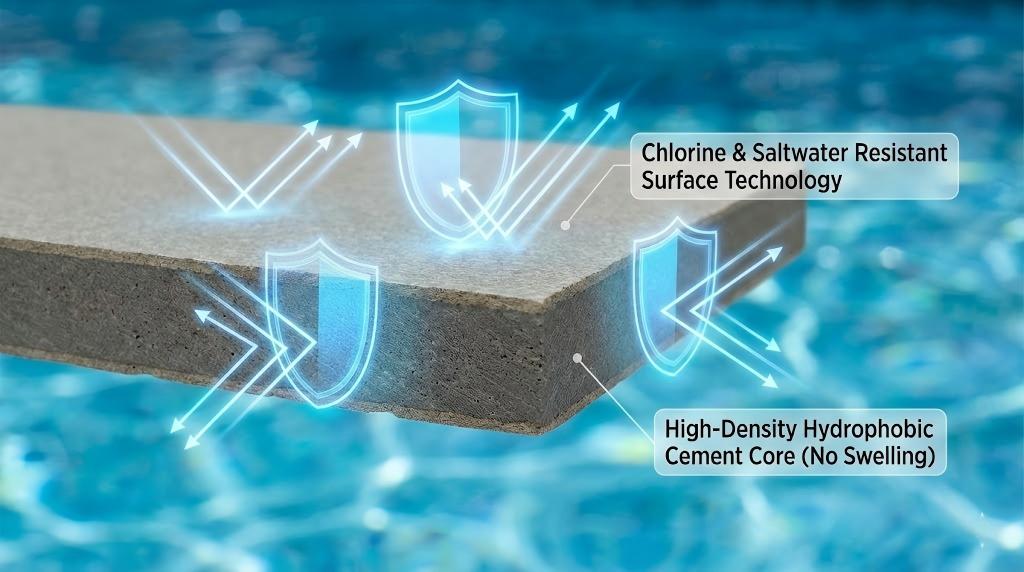
Pool water relies on halogens, typically chlorine or bromine, for sanitation. As these chemicals react with organic matter in the water, they form chloramines. These chloramines off-gas into the surrounding air, creating a highly corrosive atmosphere. When this chemical-laden vapor settles on organic building materials, it breaks down the cellular structure. Furthermore, splashing pool water deposits active chlorides directly onto adjacent surfaces. Therefore, utilizing moisture proof building materials that are chemically inert is critical to preventing the rapid deterioration of the facility.
Why Use Cement Board for Swimming Pools?
Given the severe environmental stressors of an aquatic facility, modern building codes and architectural best practices mandate the use of inorganic, cementitious panels. TSM boards represent the pinnacle of this material science, offering three specific defensive capabilities.
1. 100% Moisture Resistance and Dimensional Stability
High-quality cement boards are manufactured using a dense Portland cement matrix reinforced with alkali-resistant glass fibers. Because they contain zero wood fibers, paper, or gypsum, they are entirely impervious to water damage. Even if the board becomes fully submerged or saturated due to a failed grout line, it will not swell, disintegrate, or lose its structural load-bearing capacity. Consequently, it remains the ultimate pool deck substrate for areas subject to constant pooling water.
2. Immunity to Chlorine Degradation
Unlike metal lath, which rusts, or wood, which chemically softens under halogen exposure, the alkaline nature of Portland cement makes it an incredibly effective chlorine resistant wall board. It acts as a permanent, chemically inert barrier that shields the underlying steel or wood framing from the corrosive pool atmosphere.
3. Starving Hazardous Mold Growth
Black mold (Stachybotrys chartarum) requires three elements to thrive: moisture, warmth, and an organic food source (like cellulose). A swimming pool environment provides endless moisture and warmth. However, by specifying a 100% inorganic cement board, you completely remove the food source from the equation. Mold simply cannot grow on a TSM cement board, thereby protecting the indoor air quality of the facility and the health of the occupants.
Application Comparison Table: Pool Decks vs. Accent Walls
Swimming pool environments feature diverse architectural elements, each requiring specific structural considerations. The following table outlines the engineering requirements for utilizing cement board in different aquatic applications.
| Application Area | Recommended Thickness | Load Bearing Requirements | Typical Finishing Options |
| Pool Decks & Surrounds | 1/4″ (6mm) or 1/2″ (12mm) depending on subfloor | High Impact & High Deflection Resistance (L/360 minimum) | Anti-slip ceramic, travertine, brushed concrete overlays |
| Accent Walls & Murals | 1/2″ (12mm) over vertical studs (16″ o.c.) | Moderate (Must support weight of wet mortar and tile) | Glass mosaics, porcelain tile, natural stone cladding |
| Waterfall Features | 1/2″ (12mm) or 5/8″ (15mm) | Extreme (Must support heavy cantilevered stone & moving water) | Heavy river rock, stacked slate, large-format granite |
| Ceilings (Indoor Pools) | 1/2″ (12mm) | Low Impact, but requires high sag-resistance against humidity | Exterior-grade acrylic paint, lightweight ceiling tiles |
Integrating Aesthetics and Safety: The Finishing Phase
The raw cement board provides the uncompromising structural muscle. Subsequently, contractors must apply specific techniques to successfully integrate high-end aesthetic finishes while maintaining safety protocols, such as the required Coefficient of Friction (COF) for slip resistance.
Anchoring Natural Stone Water Features
Modern pools frequently incorporate elaborate water features and grottos. Natural stone is incredibly heavy, and the continuous flow of water exerts dynamic loads on the structure. Installers must secure 1/2-inch cement board directly to reinforced steel or concrete block walls. Next, tape the joints with alkali-resistant mesh. Crucially, contractors must apply a fully continuous, trowel-applied liquid waterproofing membrane over the cement board before applying a high-performance, polymer-modified thin-set mortar to adhere the heavy stone.
Executing Flawless Glass Mosaics
Glass mosaics offer a stunning visual impact for swimming pool accent walls. However, glass is completely non-porous, making it notoriously difficult to bond. Furthermore, because glass is translucent, any imperfections in the substrate will show through. Cement board provides the perfectly flat, rigid surface required. Contractors should use a bright white, premium epoxy thin-set to bond the glass tiles to the waterproofed cement board, ensuring maximum adhesion and vibrant color reflection.
FAQ: 6 Specialized Questions for Pool Construction
1. Will the cement board rot or dissolve if permanently submerged in water?
No. High-quality Portland cement boards are completely inert and unaffected by prolonged submersion in water. They do not dissolve, rot, or lose their structural density. However, they are porous, so water will pass through them if not properly sealed with a membrane.
2. How do you waterproof the joints in an indoor pool room?
First, leave a 1/8-inch gap between panels. Fill the gap with polymer-modified thin-set, apply alkali-resistant fiberglass mesh tape, and smooth it out. Once cured, you must roll or trowel a continuous, elastomeric liquid waterproofing membrane (such as RedGard or LATICRETE Hydro Ban) over the entire wall surface, paying special attention to the seams and corners.
3. Is it safe to use for a heavy, cantilevered waterfall feature?
Yes, provided the underlying framing is appropriately engineered. The cement board acts as the cladding substrate, not the primary structural support. If the steel studs or concrete block walls are designed to carry the cantilevered dead load, the 1/2-inch cement board will flawlessly transfer the weight of the stone veneer to the framing.
4. Does the cement board require a vapor barrier behind it for indoor pools?
Yes. In cold climates, indoor heated pools create massive vapor drive pushing toward the cold exterior walls. Building codes generally require a Class I vapor retarder (such as 6-mil polyethylene sheeting) to be installed directly over the wall studs, directly behind the cement board, to prevent condensation within the insulation cavity.
5. Can it be painted directly for use on indoor pool ceilings?
Yes. If you prefer a painted ceiling rather than tile, you can tape and float the seams using a specialized moisture-resistant setting compound. After sanding it smooth, you must prime the board with a high-quality masonry primer, followed by two coats of exterior-grade, mold-resistant acrylic or epoxy paint designed for high-humidity environments.
6. How does the board handle freezing temperatures for outdoor pools?
Because it is dimensionally stable and features a highly compressed matrix, it performs exceptionally well in freeze-thaw cycles. However, water must not be allowed to pool and freeze behind the board. Proper drainage slopes, flashing, and surface waterproofing membranes are essential to keeping bulk water out of the structural assembly during winter months.
Conclusion: Building Safer Recreational Environments
The longevity of an aquatic facility depends entirely on the hidden materials forming its structural envelope. By replacing vulnerable organic materials with advanced, dimensionally stable cementitious panels, architects and contractors effectively future-proof their designs against the relentless assault of moisture, chloramines, and hydrostatic pressure.
Ultimately, specifying the correct TSM cement board eliminates the liability of mold, tile delamination, and structural rot. Do not compromise on the safety of your recreational spaces. Explore our advanced solutions for Specialty Areas and Bathrooms today, and build your next pool project with uncompromising confidence.